
Villa Florhof
:Building on the Past—Reimagining Hospitality.
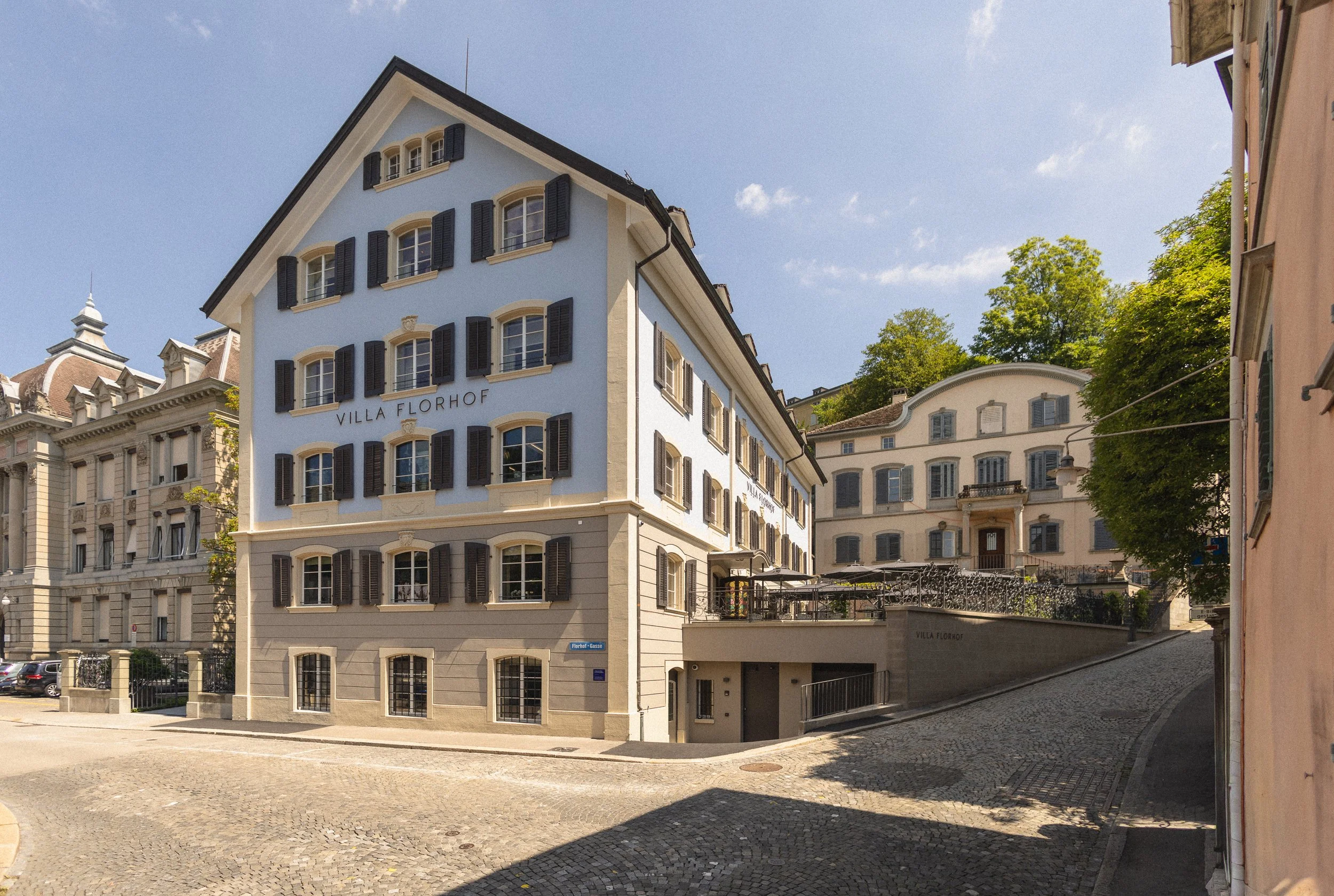
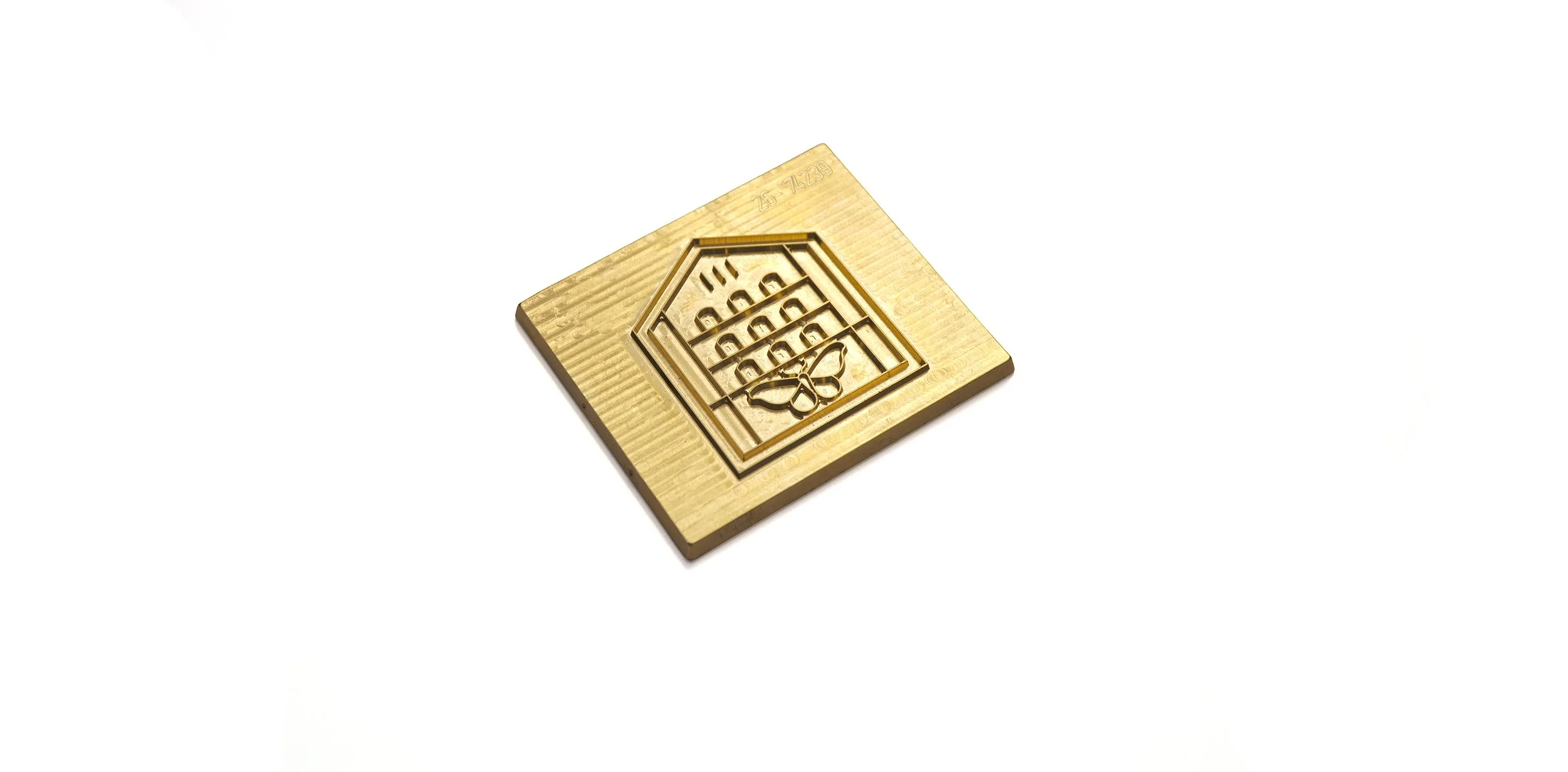
With Villa Florhof, Lalique opened its first boutique hotel in Zurich in 2026. The historic building is closely tied to the city and its silk-weaving tradition. Studio Blyss supported the development over several years and was responsible for the strategic and visual communication: brand identity, website, editorial design, stationery, and numerous other applications throughout the guest journey.
Client
Villa Florhof
Creative Services
Brand Strategy & Creative Direction
Tone of Voice
Visual Communication
Website Concept & Screen Design
Editorial Design
Guest Experience & Collaterals
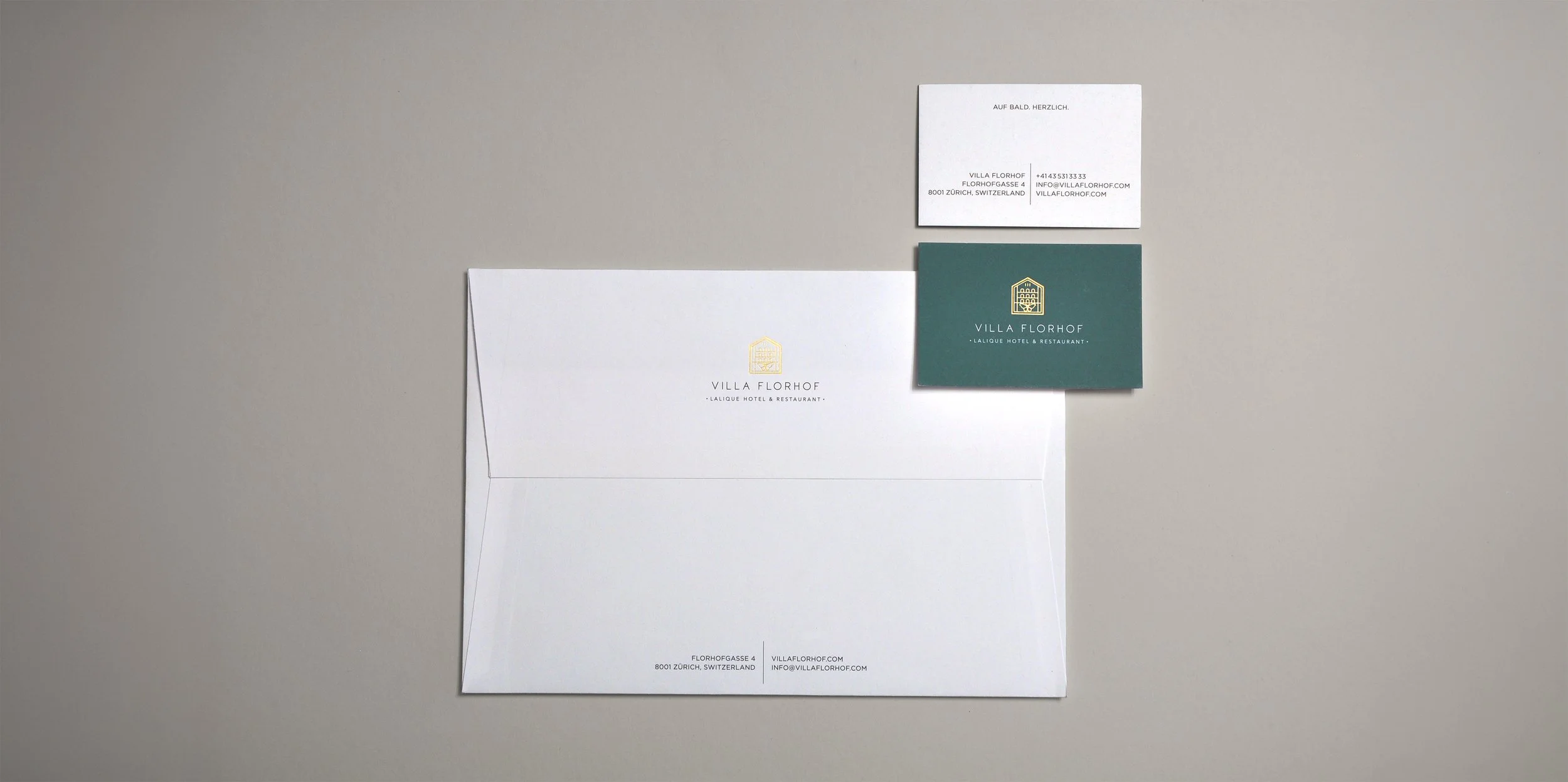
Stationery
Menu Design
Signage & Wayfinding
Art Direction
Print Production
-
The Florhof is steeped in history. The historic building, which is a designated landmark, dates back to the 15th century and has deep roots in Zurich. When Lalique acquired and extensively renovated the property, the challenge was to blend this historic structure with the world of an internationally recognized luxury brand.
Villa Florhof was, of course, intended to fit seamlessly into Lalique’s hospitality portfolio while retaining its Zurich character. Architecture, history, cuisine, and service required a common framework for communication.
Luxury should not be created through showmanship. The goal was to create a look that conveys quality without being ostentatious, and tells a story without coming across as nostalgic.
-
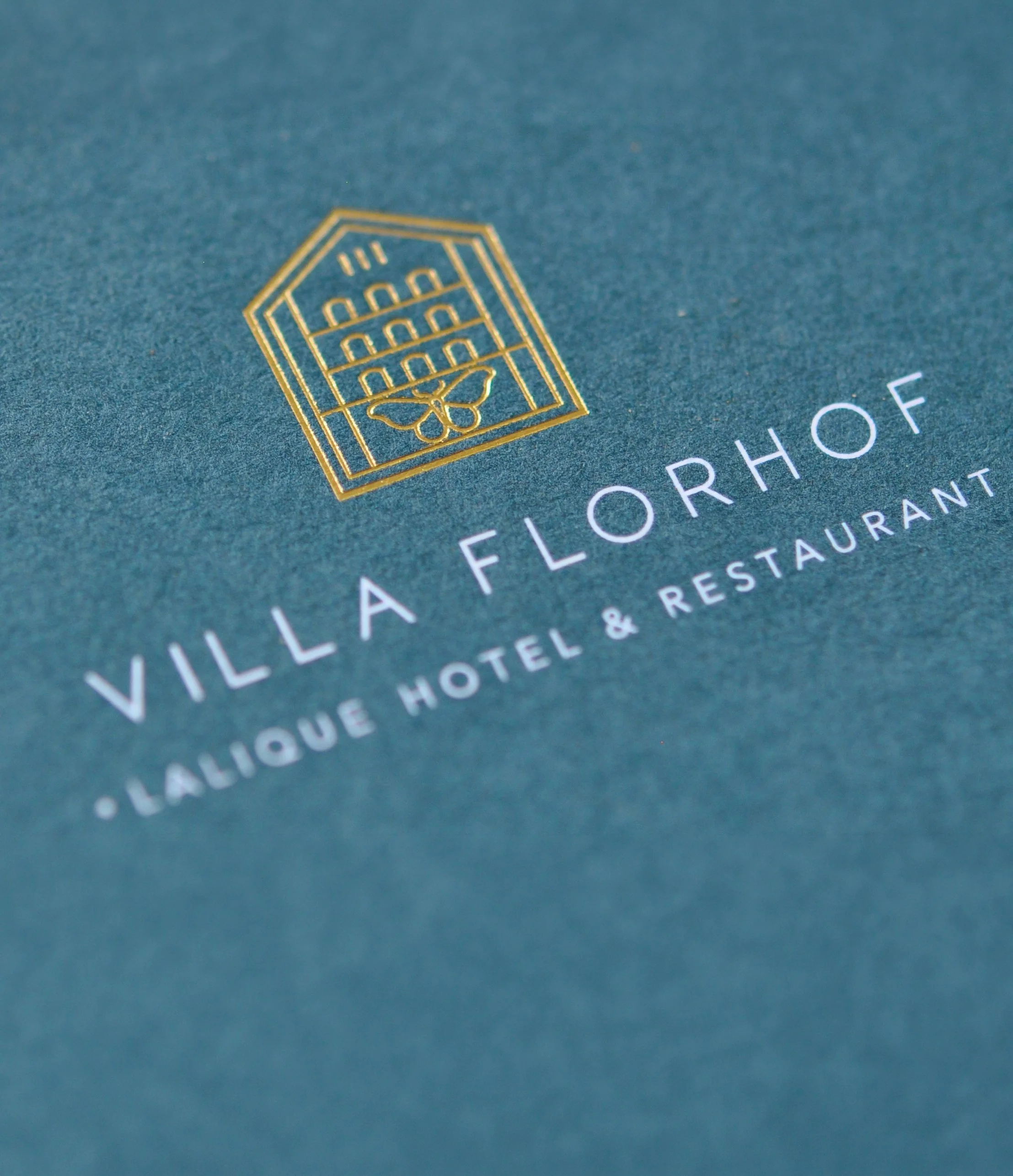
Studio Blyss collaborated with Lalique Hospitality to develop the brand identity for Villa Florhof and applied it to both digital and physical applications.
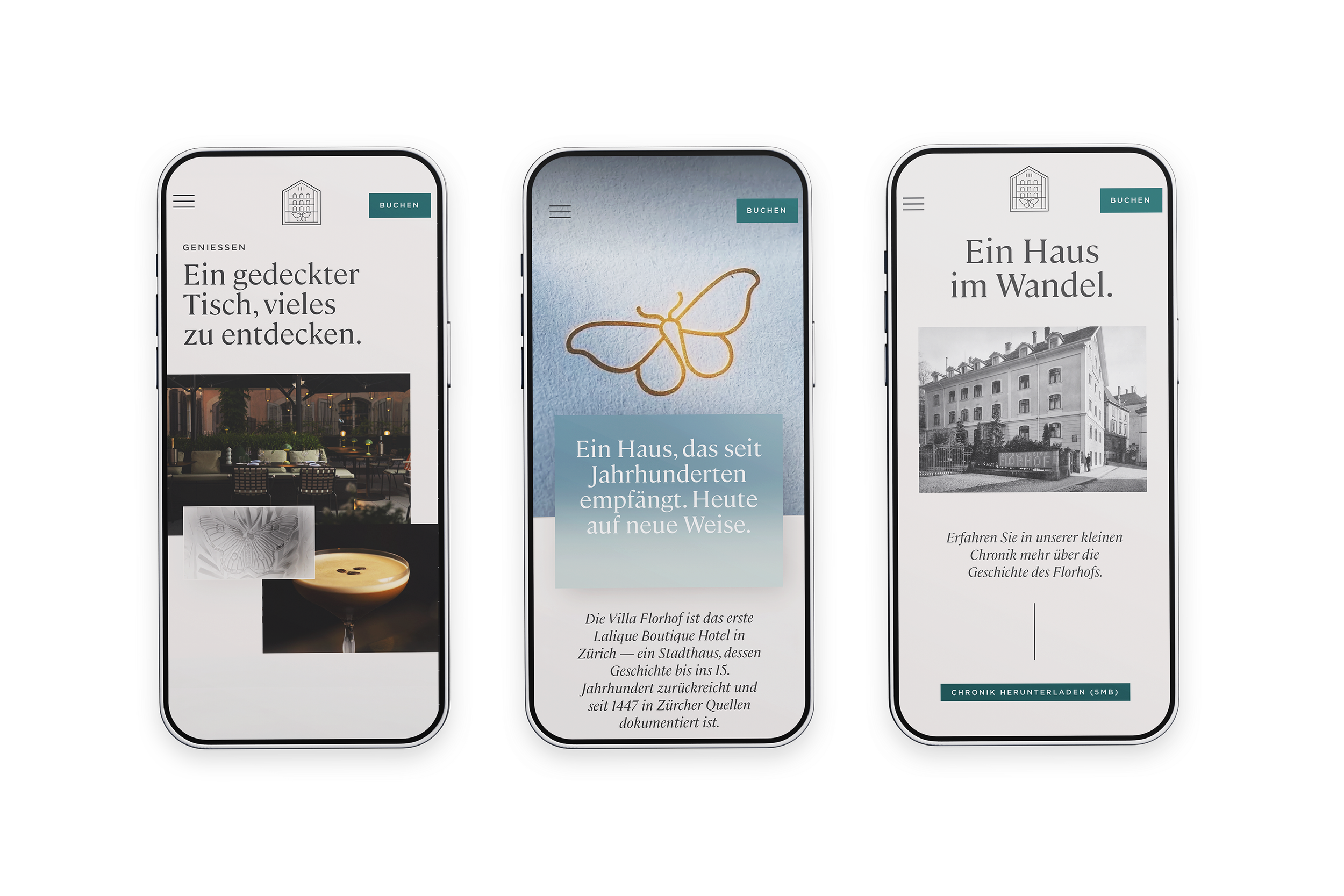
We defined the brand identity and design principles, conceived and designed the entire website, and used it as the basis for developing a flexible digital system for the company’s various divisions. Even before the opening, a dedicated landing page raised awareness of the project.
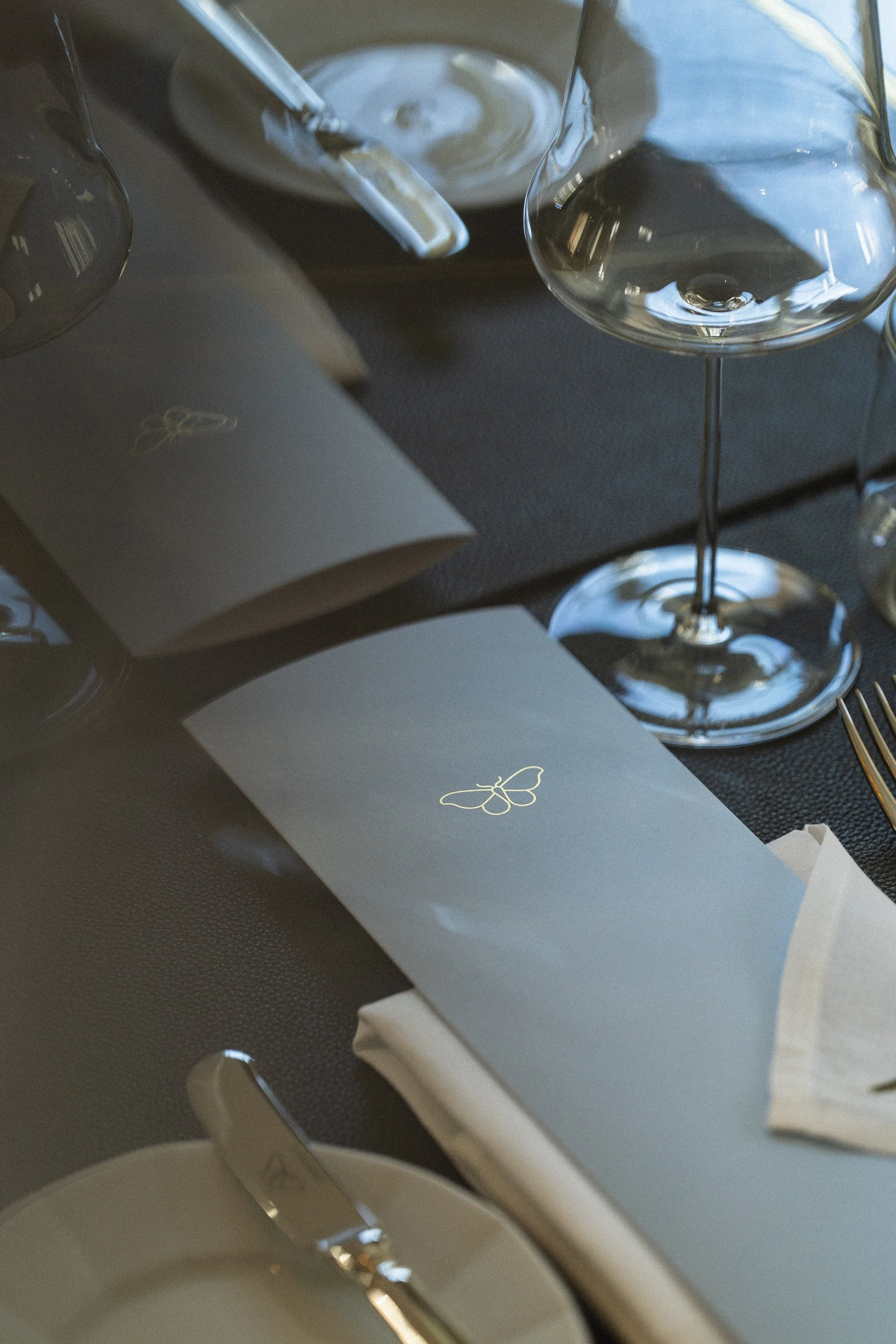
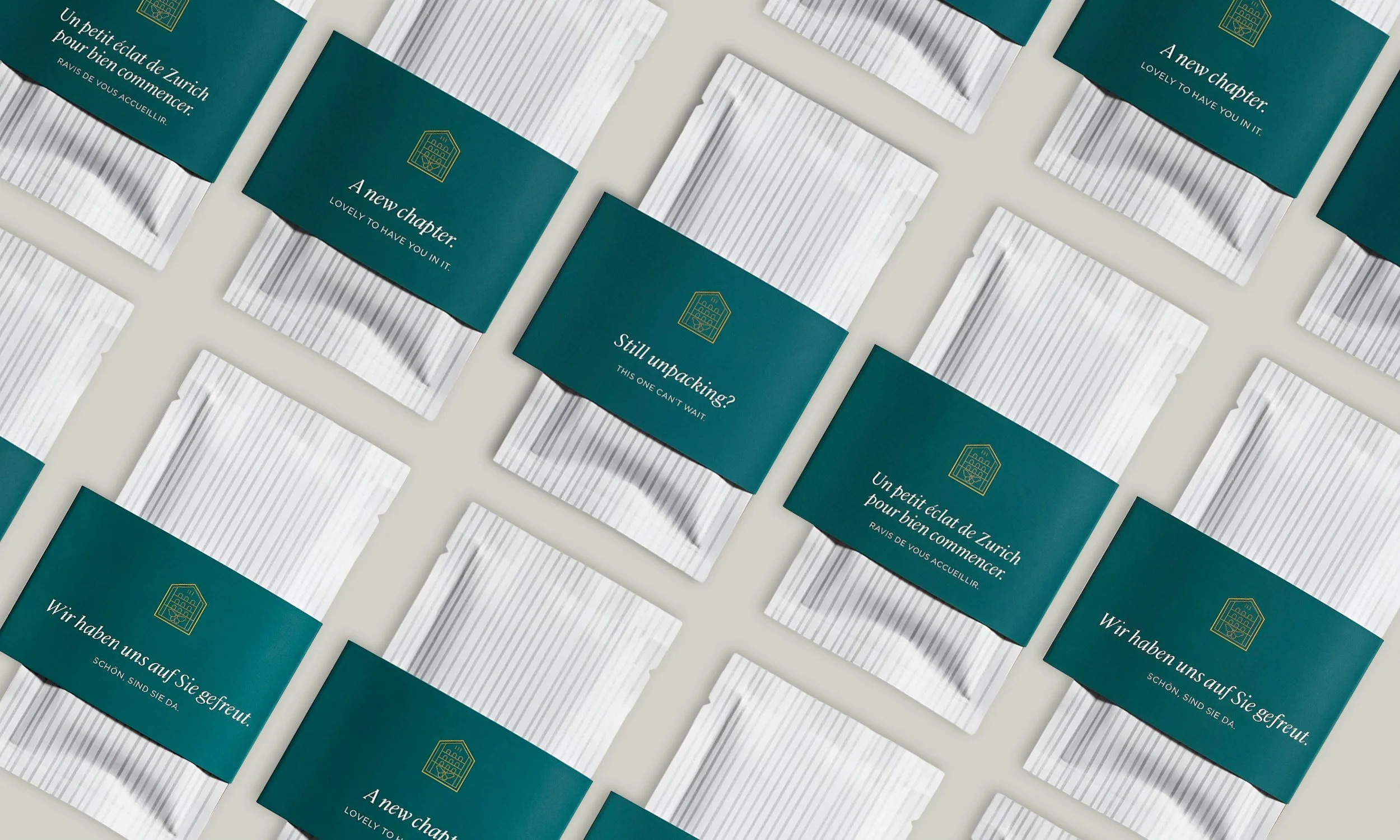
At the same time, numerous applications were developed for the on-site experience: business stationery, maps, restaurant and bar materials, guest collateral, and packaging. All elements follow the same design philosophy but serve very different purposes.
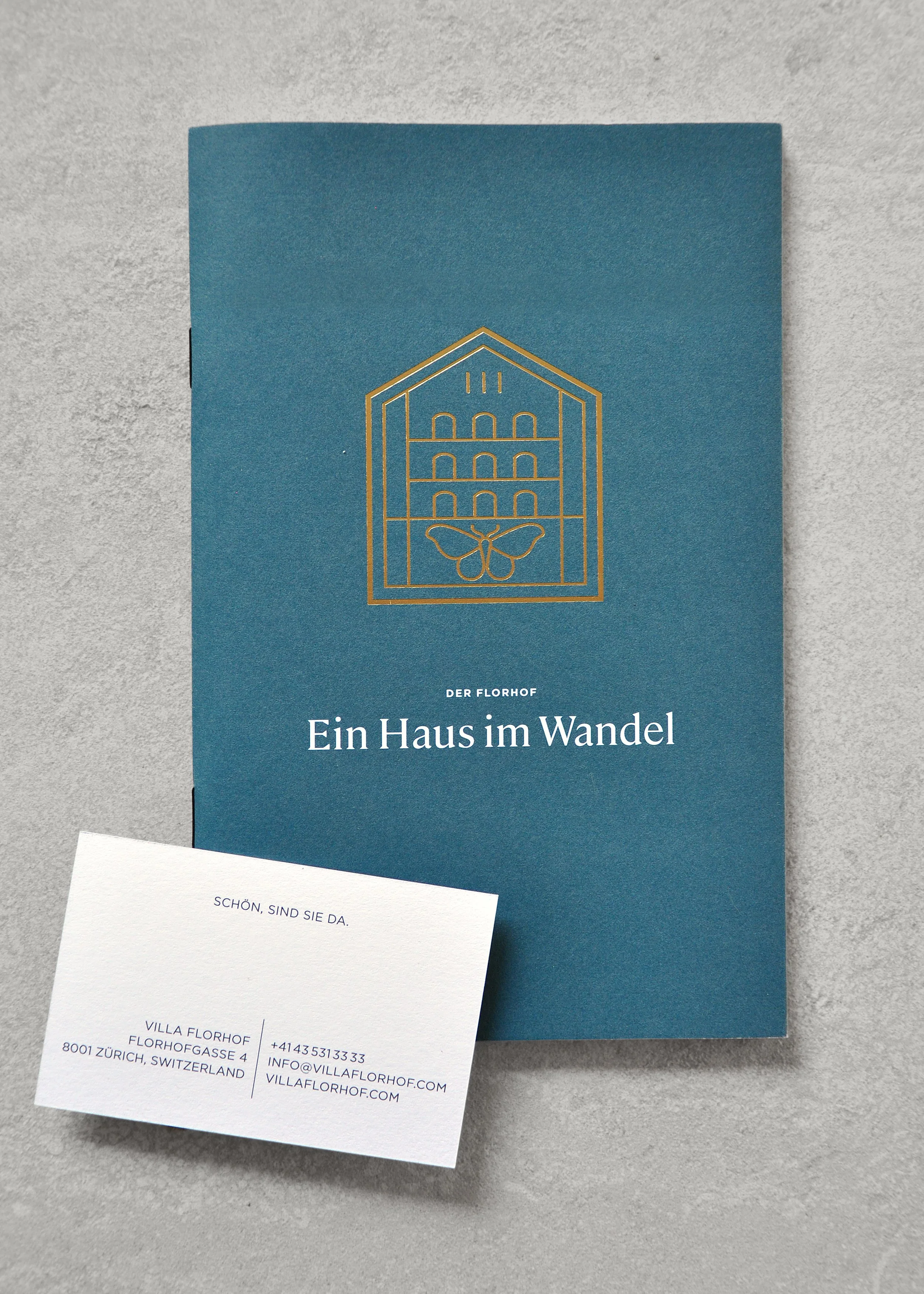
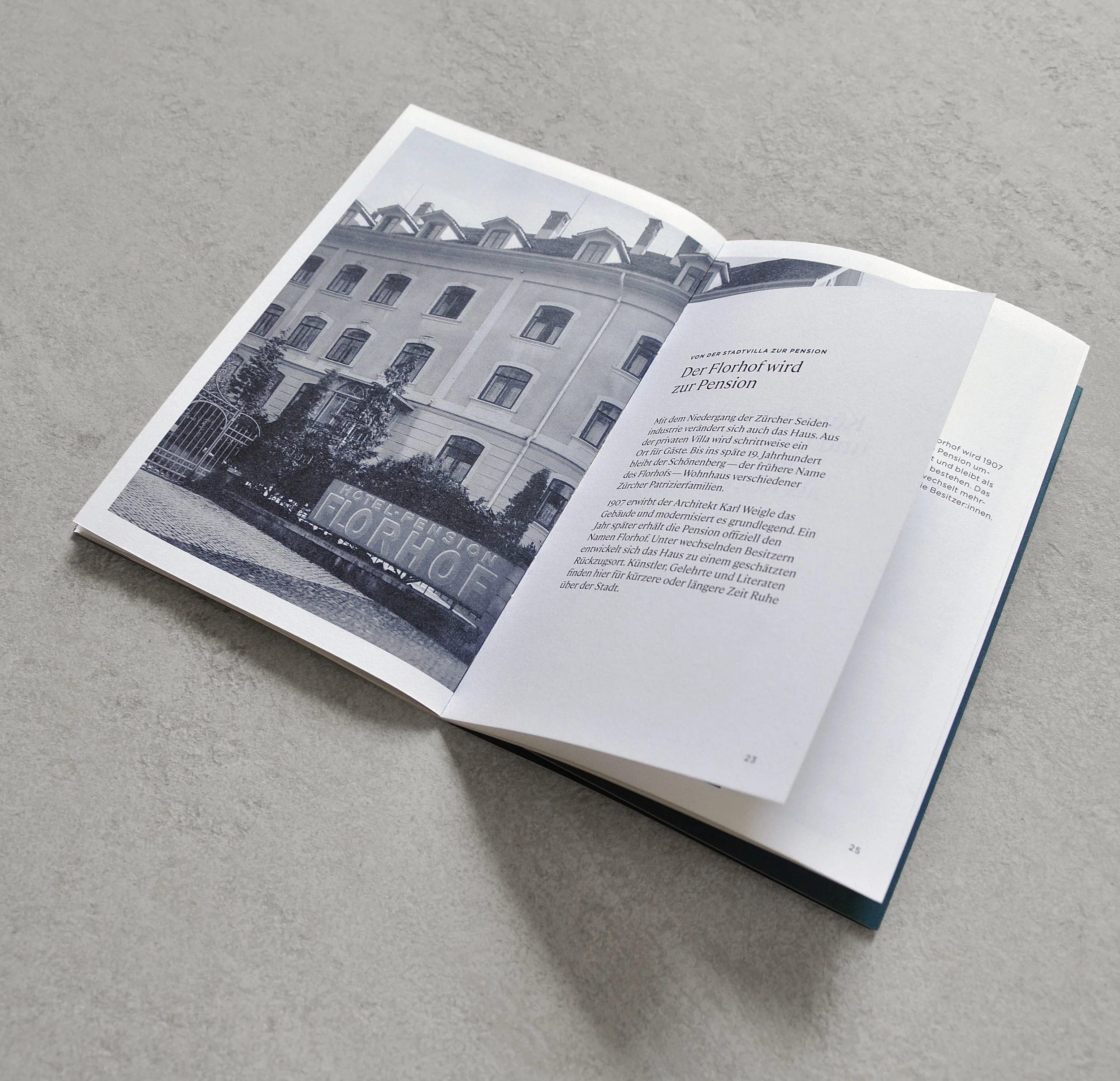
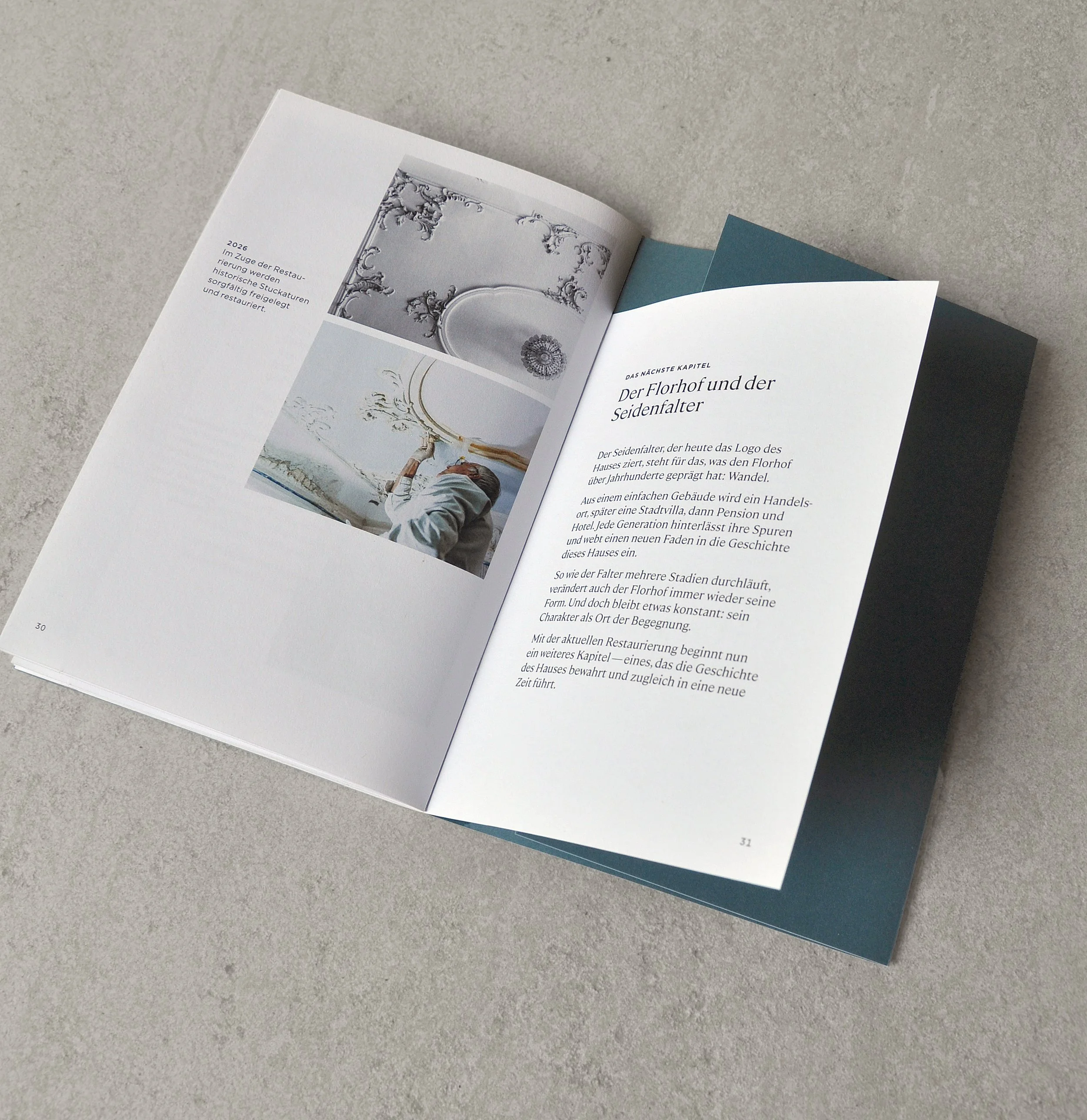
One standalone project within this system is the chronicle of Villa Florhof. This high-quality publication traces the history of the building dating back to the 15th century and connects its historical origins with its current use as a boutique hotel.
-
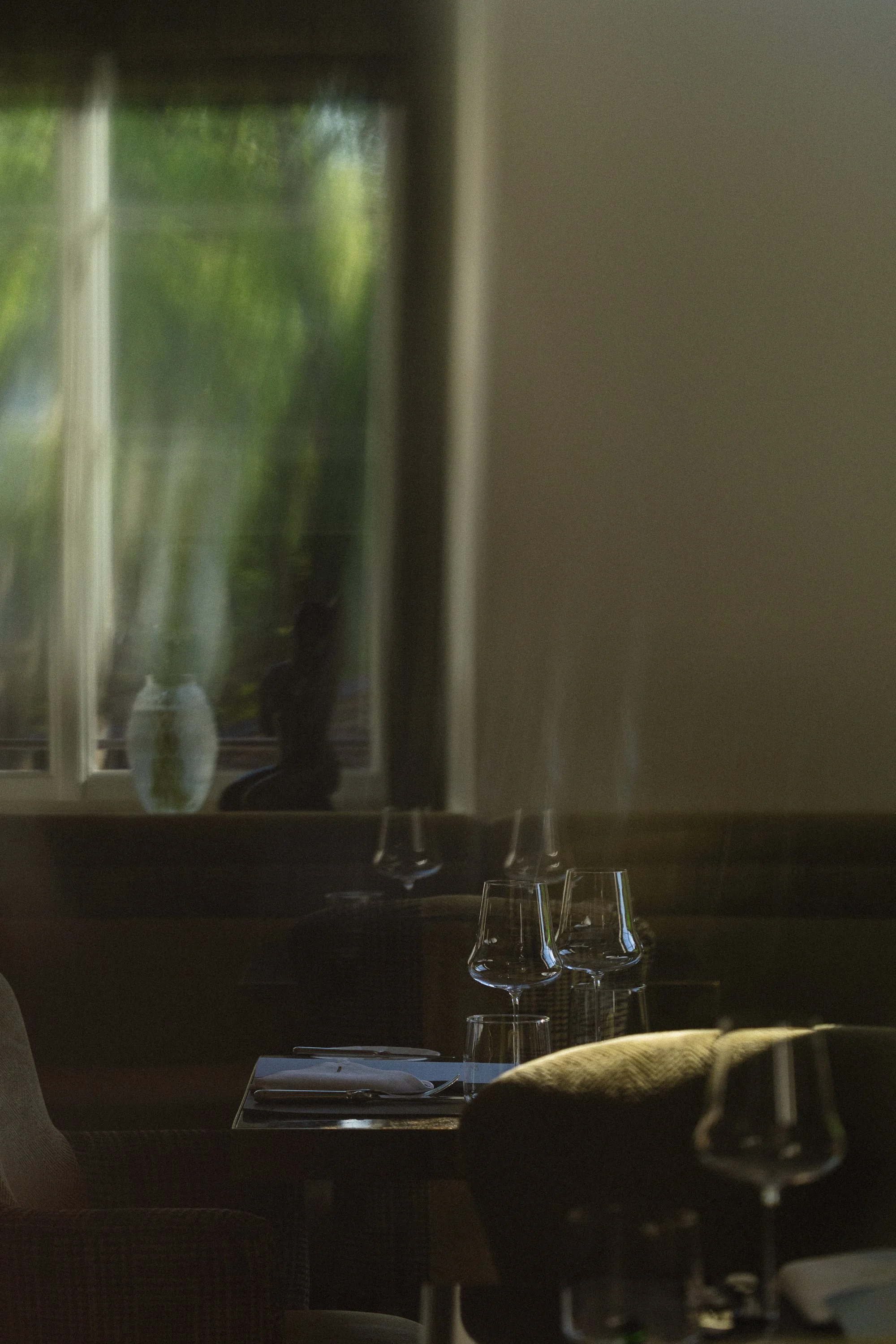
The design gives architecture, materials, and photography the space they need. Typography, white space, and a minimalist design language create a sense of calm and unify the website, publications, and physical applications into a cohesive brand identity.
The language also follows this principle. Villa Florhof communicates in a personal, refined, and understated manner. Even small details of phrasing are crafted with as much care as large-format images or high-quality materials.
For the website, we translated this approach into a clear information architecture featuring generous use of imagery and understated interactivity. The digital design places the hotel at the center and guides visitors through the journey from their initial discovery to making a reservation.
-
By the time of its opening in August 2026, Villa Florhof had established a consistent brand presence across all relevant touchpoints: digital, print, and on-site.
In the hospitality industry in particular, quality lies in this consistency. A website, a wine list, a personal note in the room, and a history section each serve different functions. Nevertheless, they should all feel as though they come from the same world.
Villa Florhof is also part of a long-standing collaboration with the Lalique Group. Today, Studio Blyss also supports Lalique Hospitality in the strategic development and visual design of additional hotel and restaurant ventures.
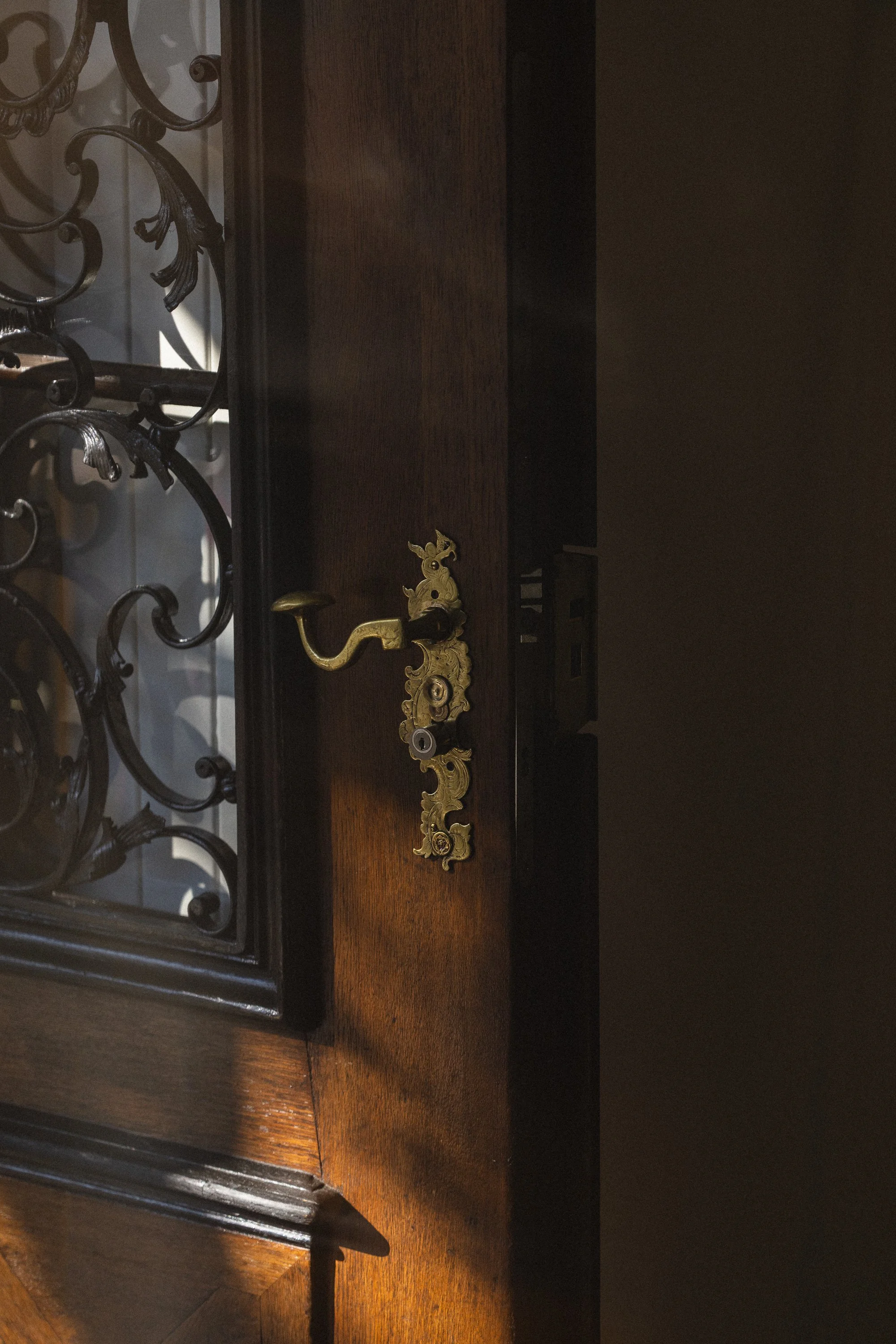
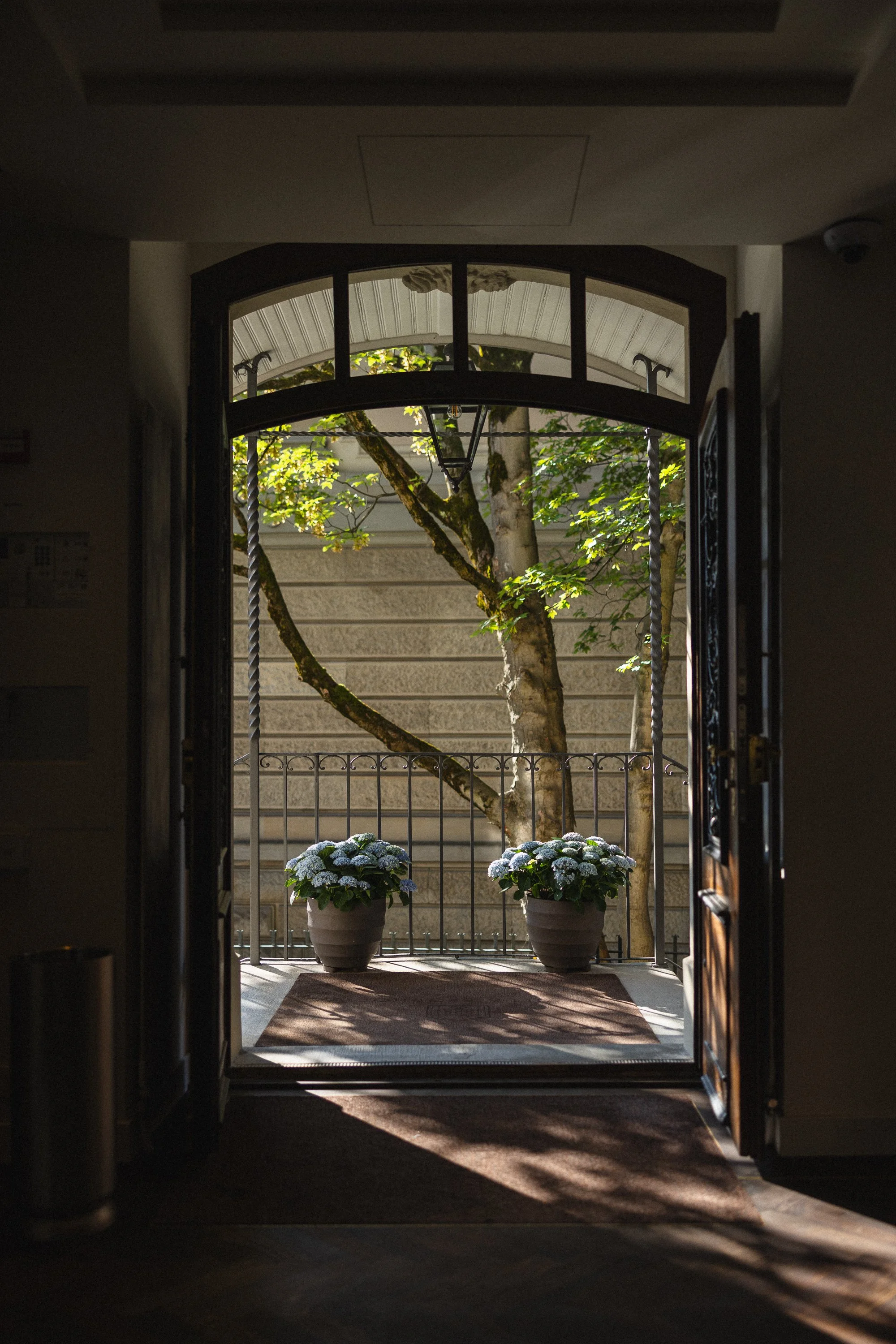
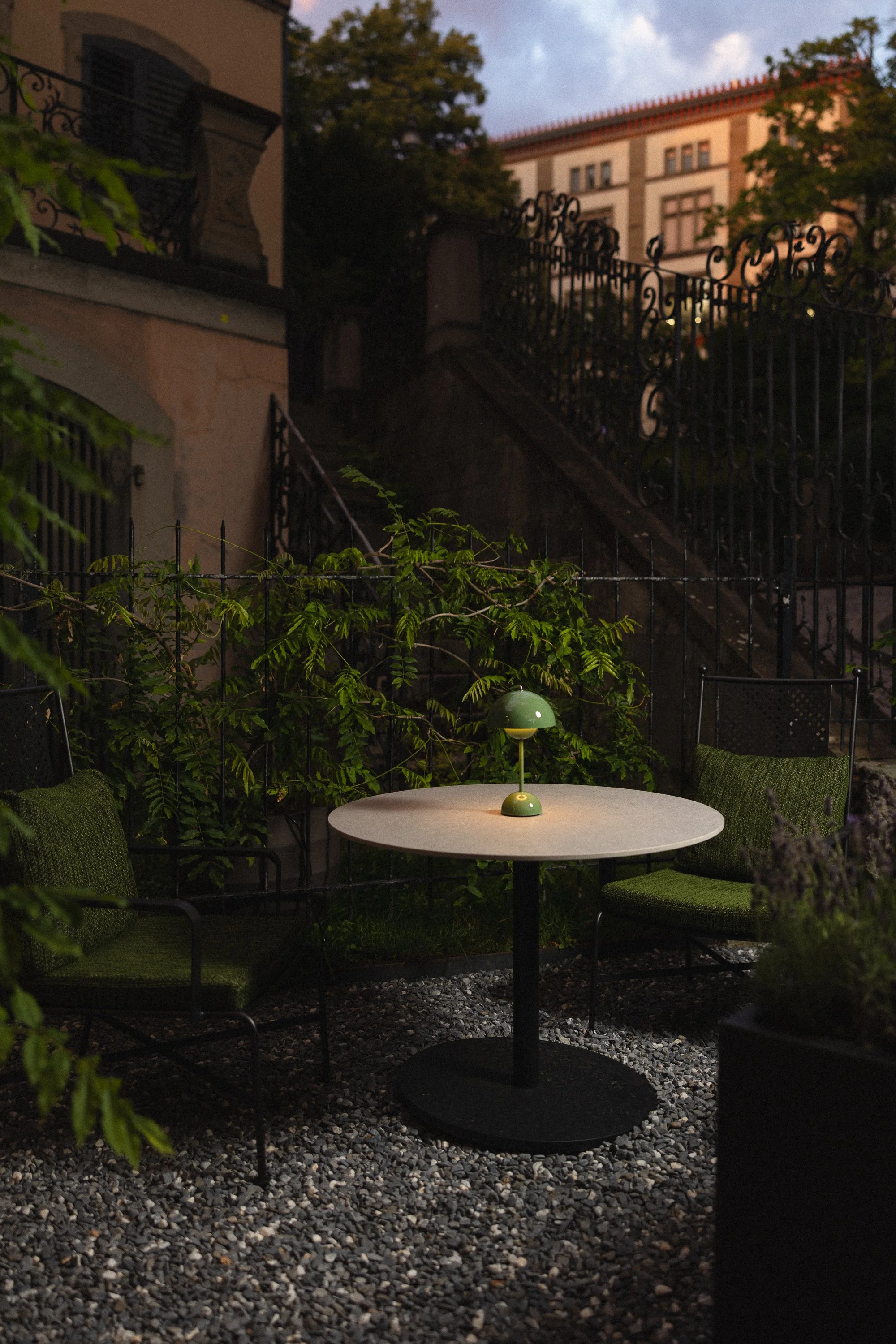



Hospitality is all in the details.
We develop hospitality brands as cohesive experiences—from positioning and websites to publications, menus, and the little things that guests actually hold in their hands.